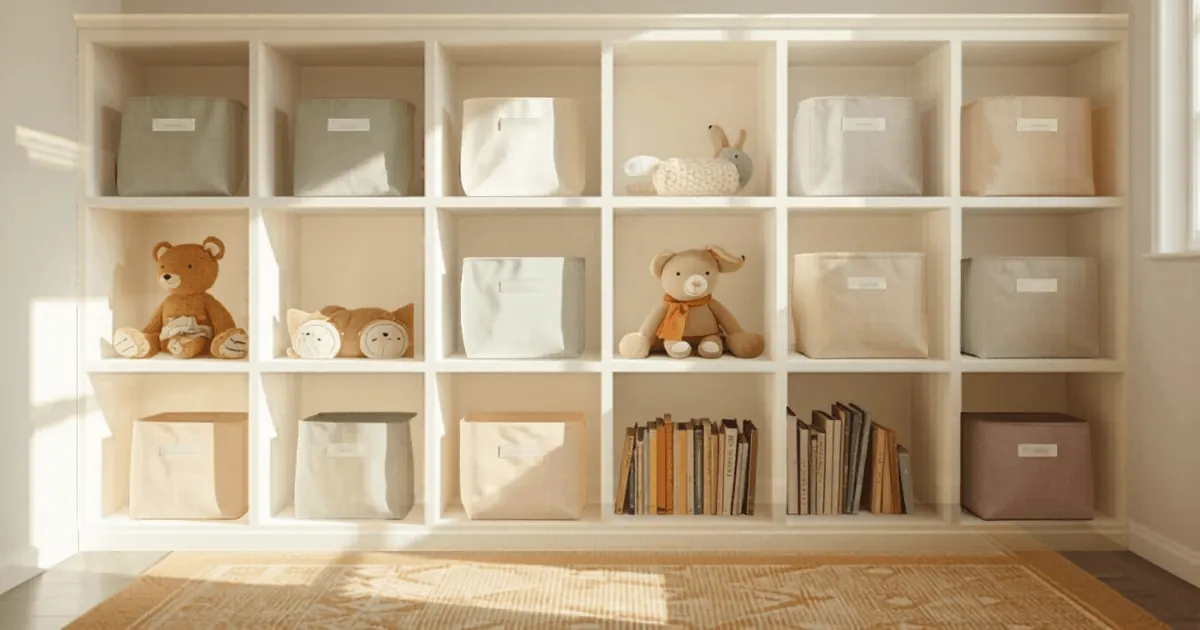
A child's room filled with toys can quickly transform from a creative play zone into an overwhelming mess. Without proper kids room toy storage solutions, toys end up scattered across floors, stuffed into corners, and forgotten in closets. The challenge isn't just aesthetic--it affects how children play, learn to organize, and even their safety in the space.
The good news is that with thoughtful planning and the right storage systems, you can create a functional, kid-friendly environment where toys are easy to find, use, and put away. This article walks you through practical strategies, storage types, and specific solutions that work for different room sizes and toy collections.
Why Toy Storage Matters for Kids' Rooms
Before diving into specific solutions, it's worth understanding why effective toy storage goes beyond tidiness. When children can easily locate and access their toys, they engage in more focused, extended play. They're also more likely to help clean up when storage is straightforward and age-appropriate.
Research in child development suggests that organized spaces reduce decision fatigue and overwhelming stimuli, helping children concentrate better on creative activities. Additionally, clear storage systems teach responsibility and organizational habits that extend beyond childhood.
Clutter in a child's room also poses safety risks--tripping hazards, blocked escape routes, and difficulty navigating the space. Proper storage eliminates these concerns while making the room more enjoyable for both kids and parents.
Assess Your Toy Collection and Space
The first step in implementing any kids room toy storage solutions is honest assessment. Take inventory of what your child actually plays with regularly, what's outgrown, and what truly sparks joy or learning.
Sort toys into categories:
- Frequently used items (daily play favorites)
- Seasonal or occasional toys
- Items worth keeping for sentimental reasons
- Duplicates or broken toys to donate or discard
This sorting process itself is educational for children. Kids as young as three or four can participate in deciding what to keep, teaching decision-making and ownership.
Next, measure your available space. Consider vertical storage options if your room is compact. Even small rooms can accommodate substantial toy collections when you use wall space, over-door organizers, and tall shelving units. For larger rooms, you have more flexibility with freestanding furniture and floor-based storage.
Open Bin Storage Systems
One of the most popular and effective kids room toy storage solutions involves open bins and baskets. These work especially well for younger children who may struggle with complex filing systems but can grasp the concept of "toys go in the bin."
Open bins offer several advantages: they're visible, making toys easy to locate; they're accessible without requiring children to open lids or navigate latches; and they accommodate irregular toy shapes and sizes.
Best practices for open bin storage:
- Label clearly: Use words, pictures, or both so children understand what belongs where
- Size appropriately: Choose bins that are manageable for your child to lift and carry
- Avoid overcrowding: Leave some space so items fit comfortably and can be retrieved easily
- Position at eye level: Store frequently used bins where children can reach them without adult help
Canvas bins work well for soft toys and dress-up clothes, while plastic bins suit small building blocks and toy vehicles. Compare Options a variety of bin options to find sizes and styles that fit your room aesthetic.
Shelving Solutions for Display and Organization
Shelving units provide structured storage that works particularly well for toys with multiple pieces, collectibles, or items you want to keep visible and accessible.
Floating shelves create clean lines and maximize vertical space, while freestanding bookcases offer flexibility and can be repositioned as needs change. Corner shelving units make efficient use of often-wasted space.
How to organize shelves effectively:
- Group similar items together: Action figures on one shelf, building sets on another, art supplies on a third
- Reserve some space for display: Allow your child to showcase favorite creations or collections
- Use small bins or containers on shelves: Prevent small pieces from tumbling together
- Keep heavier items lower: Maintain safety and stability in the unit
- Rotate displayed items: This keeps interest high and prevents the shelf from feeling static
Shelving works especially well for LEGO collections, building systems, and toys that benefit from being visible. Many children are more motivated to maintain organization when they can see their collection displayed attractively.
Closet Organization for Maximum Efficiency
Most children's rooms include at least one closet--often underutilized for toy storage. With thoughtful modifications, closets can become highly efficient storage hubs.
Maximize closet space:
- Install additional shelving: Standard closets typically feature limited shelf space that can be expanded
- Use over-the-door organizers: These are ideal for small toys, action figures, or art supplies
- Add hooks and pegboards: Perfect for hanging dress-up clothes, bags, or items you want quick access to
- Store seasonal toys in closet bins: Holiday decorations, outdoor toys, and seasonal play items stay organized and out of daily sight
- Include a rod for hanging items: Dress-up clothes, capes, and bags can hang rather than take up bin space
The beauty of closet storage is that it removes toys from visible view without making them inaccessible, giving the main play area a cleaner appearance while keeping favorites within reach.
Under-Bed Storage: Hidden Space That Works
The space beneath a bed represents wasted square footage in most children's rooms. Flat, wheeled storage containers designed for under-bed storage can hold substantial quantities of toys while keeping them organized and accessible.
This solution works well for:
- Seasonal or occasional toys
- Collections with many small pieces
- Backup supplies or duplicates
- Items your child still enjoys but doesn't play with daily
Label containers clearly so children know what's stored where, and consider using see-through containers if available, allowing quick visual identification without opening the bin.
Wall-Mounted Storage: Vertical Solutions
When floor and closet space is limited, wall-mounted storage becomes essential. Several options effectively utilize vertical space in kids' rooms.
Pegboard systems: Highly customizable, pegboards accommodate different hook and basket configurations. They work wonderfully for toy vehicles, action figures, and art supplies.
Hanging organizers: Over-the-door shoe organizers and fabric hanging storage units offer multiple pockets in a compact footprint.
Wall-mounted shelves and cubbies: These combine display capability with containment, giving toys a designated home while keeping the room feeling open.
Tension rods: Even unexpected fixtures like tension rods between closet sides can hold bags of stuffed animals or dress-up items.
Wall-mounted storage keeps toys off floors and tables, dramatically improving safety and the room's visual organization. It's particularly effective in smaller rooms where every inch counts.
Toy Rotation Strategy
Even the best storage system can feel inadequate if the collection truly exceeds available space. Toy rotation offers a practical solution that maintains organization while keeping play fresh and engaging.
The concept is simple: keep a portion of toys accessible while storing others temporarily, rotating collections periodically. This approach:
- Maintains novelty: Rotated toys feel "new" when reintroduced
- Reduces decision fatigue: Fewer choices can actually enhance focused play
- Makes cleanup more manageable: Less to put away means children are more likely to comply
- Extends enjoyment of existing toys: Less need to constantly purchase new items
Rotation typically works on a monthly or seasonal schedule. Store rotated items in closet bins, under-bed containers, or even a basement section. Clearly label these storage areas so you remember what's stored and when to rotate collections.
Specific Storage Solutions for Different Toy Types
Different toys require different storage approaches. Rather than forcing all items into one system, segment by type.
Building blocks and LEGO: Large plastic containers with handles work well, or consider Compare Options that stack and interlock for compact storage.
Action figures and small toys: Shelving with small bin dividers, wall-mounted organizers, or specialized display cases keep collections organized and protected.
Art supplies: Hanging organizers, drawer dividers, or rolling carts keep markers, crayons, and paper accessible and orderly.
Plush toys: Large bean bag chair storage, hanging organizers, or designated bins prevent stuffed animals from overrunning the room.
Play kitchen food and dishes: Small shelf units or wall-mounted racks designed for this purpose keep pretend play items contained.
Taking time to match storage type to toy category makes the system more intuitive and sustainable for your child to maintain.
Involving Kids in Organization
Successful kids room toy storage solutions require child participation. When children help select, organize, and maintain the system, they're more likely to use it consistently.
Age-appropriate involvement:
- Ages 2-4: Help sort toys into simple categories; choose bin colors; participate in cleanup with clear verbal instructions
- Ages 5-7: Take the lead on sorting and organizing; help label storage areas; make decisions about what to keep or donate
- Ages 8+: Largely manage their own organization; help troubleshoot when systems aren't working; contribute ideas for improvements
Make the process engaging rather than punitive. Frame organizing as a fun project, perhaps with background music or as a special activity together. When children feel ownership of the system, they're far more motivated to maintain it.
Maintaining Organization Over Time
Creating an organized kids room is one challenge; maintaining it is another. A few habits support long-term success.
Regular maintenance rhythms:
- Daily: Quick pickup before bed, using the designated bins and systems
- Weekly: More thorough organizing session where items get returned to proper places
- Monthly: Assess whether the system is working; adjust labels or containers if needed
- Quarterly: Do a deeper cleanout, removing broken items or toys that are no longer played with
- Seasonally: Rotate toy collections if using that strategy
Make these routines part of the household rhythm rather than occasional deep cleans. Small, regular effort maintains order far better than sporadic intensive organizing sessions.
Consider investing in Compare Options that will withstand years of use and can potentially be repurposed as your child grows.
Budget-Friendly Toy Storage Options
Effective kids room toy storage solutions don't require significant expense. Many options are budget-friendly or repurpose items you already own.
- Repurposed containers: Plastic bins you already have, cardboard boxes covered with fabric or paper, laundry baskets
- DIY solutions: Paint wooden crates, add casters to create mobile storage; create pegboard systems from hardware store supplies
- Thrift store finds: Used shelving, storage benches, and bins at fraction of new prices
- Multifunctional furniture: Ottoman storage, storage benches, and combined seating-storage pieces serve multiple purposes
Strategic shopping and creative repurposing allow you to implement effective solutions without breaking the budget.
Conclusion: Creating a Functional, Kid-Friendly Space
Implementing effective kids room toy storage solutions transforms the space from chaotic to functional while teaching children valuable organizational skills. The best approach combines multiple storage types, involves your child in the process, and matches systems to your specific toys and space constraints.
Start by assessing what you have and the space available. Select storage solutions that feel intuitive to your child and sustainable for your household. Don't aim for perfect organization--aim for systems that actually work and can be maintained with reasonable effort.
Whether you choose open bins, shelving, closet organization, wall-mounted solutions, or a combination of approaches, the key is creating a system where toys have clear homes and children understand where things belong. Revisit and adjust as your child grows and interests evolve. The investment in thoughtful toy storage pays dividends in both the appearance of the room and your child's growing organizational competence.