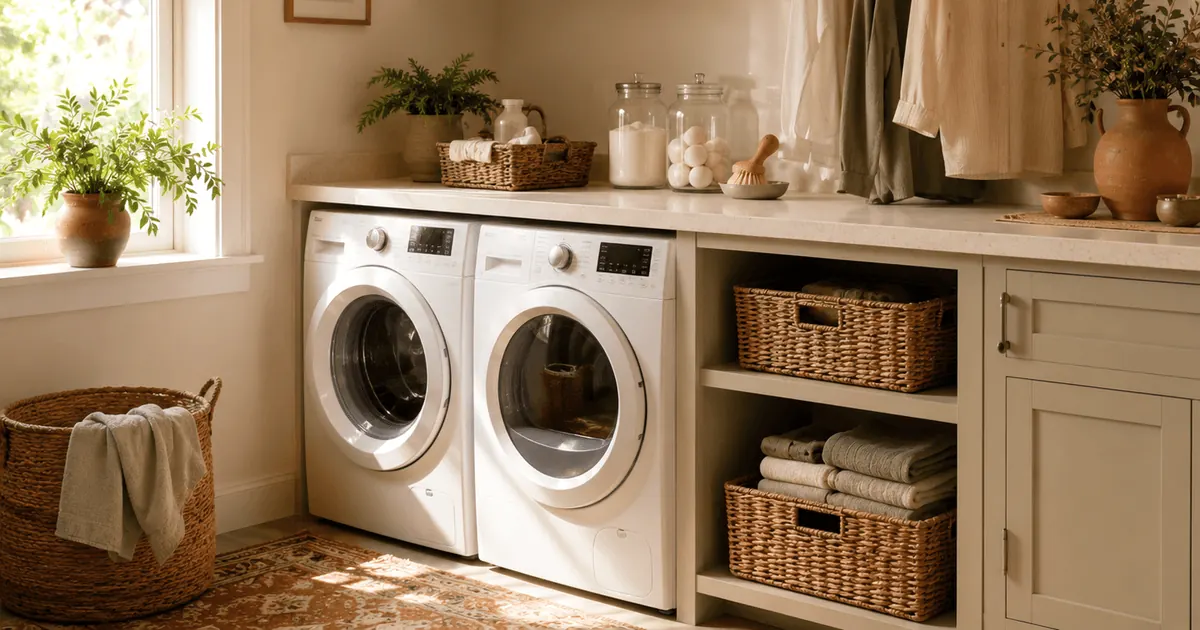
A cluttered linen closet creates friction in your daily routine. You're hunting for matching sheets, disturbing stacks to find a single pillowcase, or worse--discovering mildew on linens shoved too tightly together. Linen closet organization transforms this chaotic space into a functional storage system that saves time, protects your textiles, and makes your home feel more intentional.
The good news: organizing your linen closet doesn't require expensive products or a complete overhaul. It requires a systematic approach, a few hours of your time, and an understanding of what works for small spaces. This guide walks you through the entire process of linen closet organization step by step, giving you a replicable method that actually works long-term.
Why Linen Closet Organization Matters
Before diving into the steps, it's worth understanding why this specific space deserves attention. Your linen closet stores items you use regularly--sheets, towels, blankets, and pillowcases--but it's easy to ignore until the space becomes unmanageable.
Poorly organized linens lead to several problems. Moisture and darkness create conditions for mold and mildew growth. Items get damaged from excessive wrinkles, crushing, or moisture absorption. You can't find what you need quickly, adding unnecessary stress to your morning routine. Duplicate purchases happen because you forget what you already own. Organization prevents all these issues.
A well-organized linen closet also protects your investment. Quality sheets and towels represent real money. Proper storage extends their lifespan, maintains their appearance, and ensures they're always ready to use.
Step 1: Empty Your Entire Linen Closet
This is non-negotiable. You cannot organize what you can't see.
Remove everything from your closet completely. Yes, everything. Pull out all sheets, towels, blankets, pillowcases, duvet covers, and miscellaneous items that have migrated into this space over time. Spread these items across your bed or a large surface where you can see everything clearly.
This step feels overwhelming initially, but it serves a critical purpose. You'll discover items you forgot you owned. You'll identify duplicates. You'll notice damage or stains you missed. This visibility is essential for making good organizational decisions.
As you empty the closet, wipe down shelves with a dry cloth or a slightly damp microfiber cloth. Check the closet rod for dust. Look for any signs of moisture, mold, or pest damage. If you notice concerning issues, address them before restocking.
Step 2: Assess, Categorize, and Declutter
With everything removed, you can now evaluate what you actually need.
Divide your linens into clear categories: bed sheets, towels, blankets, pillowcases, duvet covers, and other items. Look through each category honestly.
Ask these questions about each item:
- Do I actually use this?
- Is it in good condition?
- Do I have duplicates I prefer?
- Is it stained, torn, or worn beyond repair?
- Do I keep it "just in case" but rarely touch it?
Be ruthless. Towels with permanent stains belong in the trash or donation pile, not your closet. Sheets with broken elastic don't improve your life. Blankets you haven't used in three years are consuming valuable real estate.
Keep items that genuinely serve you. If you have a guest room, keep extra sheets for that bed. If you live alone and prefer fresh sheets weekly, three complete sheet sets per bed is reasonable. If you have four people in your household, you'll need more. The number that works depends on your lifestyle, laundry frequency, and storage space.
During this phase, also identify items that don't belong in a linen closet. Cleaning supplies, medications, or random storage items should move to their appropriate locations. This is about creating a dedicated, functional space.
Step 3: Fold or Roll Everything Properly
How you fold your linens directly impacts how efficiently they store and how long they last.
For sheets, use the standard fold method: lay the sheet flat, fold lengthwise in thirds, then fold in thirds again the opposite direction. This creates a compact rectangle that stacks neatly. Fold fitted sheets the same way--they won't be perfect, but they'll be consistent and stackable.
For towels, fold lengthwise first, then fold in thirds or halves depending on your shelf height. Aim for uniform rectangles that stack without toppling.
Some people prefer rolling items instead of folding. Rolling works well for towels and blankets because it uses vertical space efficiently and prevents the deep creases that folding creates. Rolled items also look visually appealing in clear containers.
The method you choose matters less than consistency. Whatever approach you select, apply it uniformly throughout your closet. This consistency makes stacks stable and your closet look intentional rather than chaotic.
Step 4: Create Zones Based on Use Frequency
Organizing by zone means placing frequently used items at eye level and in easy-to-reach spots.
Your linen closet probably has multiple shelves. Identify which shelf is easiest to access--usually eye level. This is your prime real estate. Place items you use most often here: the sheet sets and towels you grab weekly.
Lower shelves work well for heavier items like extra blankets or comforters. They're slightly harder to reach, but the sturdier shelf structure supports weight better.
Upper shelves suit guest linens, seasonal items, or specialty textiles you use occasionally. You'll access these less frequently, so the extra reach isn't a daily inconvenience.
If your closet has a rod, hang rarely used items like bulky comforters here. But avoid hanging heavy items for extended periods--the weight damages the fibers over time.
Within each zone, organize further by bed or household member if applicable. Group sheets by the bed they fit (queen sheets together, twin sheets together). Group towels by type (bath towels, hand towels, washcloths) or by bathroom they serve if you have multiple bathrooms.
Step 5: Use Containers Thoughtfully
This is where many people over-invest in organizing systems. You don't need special closet organizing containers to succeed, but strategic containers do help maximize space and visibility.
Clear plastic bins work well because you can see contents without opening them. Use bins for items you store occasionally: extra sets of guest sheets, off-season blankets, or specialty items you rarely touch. Compare Options to compare clear plastic storage bins sized for closet shelves.
Shelf dividers keep stacks from tipping over as you remove items. These are especially useful for shelves with limited depth. Simple dividers prevent your carefully folded sheets from cascading across the shelf when you pull one set out. Check Price to see shelf dividers that keep linen stacks upright.
Vacuum storage bags make sense for bulky items like duvets or blankets if you have limited space. The caveat: they compress items tightly, which can damage delicate fibers over time. Use them for sturdy items only, and don't leave items vacuum-sealed for years at a time. Compare Options to browse vacuum storage bags for bulky duvets and blankets.
Avoid over-containerizing. Each container you add makes the closet slightly less flexible and creates an additional barrier between you and your items. Use containers purposefully, not as a default.
Step 6: Implement a Labeling System
Labeling serves two critical functions: it helps you find items quickly, and it helps other household members return items to the correct location.
Label shelves, bins, and sections clearly. Write directly on small pieces of masking tape or use a label maker for a more finished appearance. Labels don't need to be elaborate--simple descriptions work perfectly. Check Price to find a label maker that gives shelves and bins a finished look.
Examples of effective labels: "Queen Sheets," "Bath Towels," "Guest Blankets," "Pillowcases," "Seasonal Items."
If you're using clear bins, label the outside or the front edge so contents are obvious at a glance. For visual learners, include a small image or color code if you find that helpful.
This seems like an extra step, but it prevents the slow slide back into chaos. When someone returns an item and knows exactly where it belongs, they're more likely to put it there correctly.
Step 7: Establish a Maintenance Routine
Organization without maintenance becomes disorganization again. Establish habits that keep your system functional.
Once per week, quickly scan your linen closet when you're folding fresh linens. Straighten stacks that have shifted. Return any items that migrated to the wrong location. This takes two minutes but prevents problems from accumulating.
Once per season, conduct a mini-overhaul. Check for damage, mold, or pest issues. Reorganize as needed if your needs have changed. Remove items you're no longer using.
Once per year, completely reorganize during a slow season. This yearly reset prevents the slow creep of disorder and gives you a chance to assess whether your system still works for your household.
Involve other household members in this maintenance. If multiple people use the linen closet, explain your system and establish expectations. An organized closet depends partly on having others maintain it, not just the person who created it.
Step 8: Optimize for Your Climate and Storage Conditions
Your climate affects how linens should be stored.
In humid environments, ensure air circulation within your closet. Don't pack items too tightly together. Consider leaving the closet door slightly ajar when possible to allow air movement. Avoid moisture-trapping containers. Some people keep small open containers of activated charcoal or unscented cat litter in the closet to absorb excess moisture.
In dry climates, don't worry as much about moisture, but protect linens from dust. Close the door securely and use clear containers for items you store for extended periods.
In all climates, keep linens away from direct sunlight. Prolonged sun exposure yellows whites and fades colors. Make sure your closet light is off when the door is closed. If your closet has a window, consider a curtain or shade to protect contents.
Store linens in a cool location if possible. Heat accelerates color fading and can damage delicate fibers. Attic closets or closets exposed to direct sun may not be ideal for long-term storage.
Avoid storing linens near strong odors. Spices, cleaning supplies, or scented products in nearby spaces can transfer smells to your textiles. Keep your linen closet isolated from these items when possible.
Common Linen Closet Organization Mistakes to Avoid
Understanding what goes wrong helps you stay on track.
Overstuffing shelves. Too-tightly packed items become wrinkled, difficult to access, and vulnerable to moisture because air can't circulate. Aim for shelves that look full but not bulging.
Storing linens while damp. Moisture in your closet before items are completely dry creates mold risk. Always ensure linens are fully dry before storing them.
Keeping items "just in case." The phrase indicates you don't actually use something. If you have three complete guest sheet sets and rarely host guests, one set is probably enough.
Forgetting about seasonal items. Linens you use seasonally (heavy quilts in winter, lightweight blankets in summer) should rotate out of prime storage locations. This keeps frequently used items accessible.
Neglecting deeper shelves. Shelves at the back of your closet are harder to access but shouldn't become dumping grounds. Organize them as intentionally as front-facing items.
Mixing categories. Keeping pillowcases with duvet covers with blankets creates confusion. Distinct categories make everything easier to find.
Final Thoughts on Linen Closet Organization Step by Step
Linen closet organization is a straightforward, manageable project that creates immediate, noticeable improvements in your daily life. The steps are simple: empty your space, evaluate what you actually need, fold items consistently, create organized zones, use containers sparingly, label everything, and establish maintenance routines.
When you approach linen closet organization systematically, you end up with a space that functions like it should. You find what you need without frustration. Your linens last longer. Your closet stays organized because the system respects how you actually live rather than imposing artificial constraints.
Start with the first step this week. The process takes a few hours, not weeks. The benefit--a calm, organized linen closet that works for you--lasts months or years if you maintain it. That's a worthwhile investment of